

Care is the Cornerstone of our Practice

Bladder weakness

Bladder Leakage: Why It’s Time to Talk About It

Bladder leakage is one of those health issues that affects a huge number of people but is rarely spoken about openly. Whether it happens occasionally when you laugh or exercise, or is a more constant concern, it can affect confidence, sleep, and everyday life. Yet many people put up with it for years before seeking help, often assuming it is just something to accept.

The truth is, bladder leakage is common, treatable, and nothing to feel embarrassed about. As part of our ongoing commitment to open, judgement free healthcare, we want to help more people understand what causes it and when it is worth speaking to a doctor.

What Is Bladder Leakage?

Bladder leakage, also known as urinary incontinence, is the involuntary loss of urine. It can range from a small leak when you cough or sneeze to a sudden, strong urge that is difficult to control. There are several types, including stress incontinence, urge incontinence, and mixed incontinence, each with different underlying causes.

It can affect anyone, though it becomes more common with age, after childbirth, during menopause, or alongside certain medical conditions. Despite how widespread it is, many people never mention it to a doctor.

What New Research Tells Us

Bladder leakage carries a level of stigma that stops people asking for help. A UK wide survey published in 2026 by the Urology Trade Association, in partnership with The Urology Foundation and the Spinal Injuries Association, offers fresh insight into what living with bladder leakage is really like. The report draws on responses from 232 people across the UK and highlights just how much room there is for improvement in care and support.

Some of the key findings include:

  • Urinary incontinence affects an estimated 14 million people in the UK, yet many still feel unable to speak about it openly
  • Nearly half of those surveyed reported little or no involvement in decisions about their own care
  • 83 percent had not had a clinical review of their continence products in the past year

The report also found that embarrassment, stress, and a loss of dignity were common emotional responses when symptoms first appeared, underlining just how much this condition can affect wellbeing beyond the physical symptoms themselves. 

How ERIC Healthcare Can Help

At ERIC Healthcare, our private GP team offers a discreet, unhurried space to discuss bladder health concerns. We understand this can feel like a difficult topic to raise, which is why our consultations are designed to be relaxed and judgement free, giving you time to explain your symptoms fully and ask any questions you may have.

Appointments are available both virtually and in person, so you can choose whatever feels most comfortable, whether that is a face to face consultation at our Salford clinic or a private conversation from home.

If bladder leakage is affecting your day to day life, you do not need to manage it alone. Find out more about our Prostate & Urinary Health Clinic or get in touch to book a consultation, virtual or in person, within 24 to 48 hours.

WhatsApp: +44 7951 553356 Phone: 0161 507 5162 Email: hello@erichealthcare.co.uk

Joint Pain

Why Summer Activity Can Trigger Joint Pain

Summer often means more time outdoors, longer walks, weekend sports, gardening, and generally being on your feet more than usual. While this seasonal boost in activity is good for overall health, it can also bring on joint pain, particularly for anyone with an existing joint condition or an old injury that tends to flare up under pressure.

If you have noticed your knees, hips, or shoulders complaining more than usual this summer, you are not alone, and there is plenty that can be done about it.

Why Joints Can Struggle in Summer

There are a few reasons joint pain tends to increase during warmer months. The most straightforward is simply a sudden rise in activity. Going from a fairly sedentary winter to regular walking, cycling, or sport can put more strain on joints than they are used to, especially if the increase happens quickly rather than gradually.

Heat and humidity can also play a role. Warmer weather can cause tissues around joints to swell slightly, and dehydration, which is more common in summer, can increase inflammation and make existing pain feel worse. Long days on your feet at events, in the garden, or on holiday add to the load as well.

Common Triggers to Watch For

A few patterns come up often at this time of year:

  • Knee or ankle pain after longer walks or runs than usual
  • Shoulder discomfort from sports like tennis or padel
  • General stiffness after gardening or DIY projects

None of these are necessarily a sign of something serious, but they are worth paying attention to, especially if the discomfort lingers rather than easing within a few days.

Managing Joint Pain Through the Summer

Staying active is still important, but a few adjustments can make a real difference. Building up activity gradually rather than all at once gives joints time to adapt. Staying well hydrated helps reduce inflammation, and low impact options like swimming or cycling are a good way to stay active without adding extra strain.

If pain is persistent, worsening, or limiting your movement, it is worth having it properly assessed rather than working around it indefinitely.

When to Consider Joint Injections

For some people, particularly those with ongoing joint pain from conditions like osteoarthritis, joint injections can offer significant relief where other measures have not been enough. They are a well established, minimally invasive option that can reduce inflammation and improve mobility, helping you get back to the activities you enjoy.

This is backed by clinical research too: a systematic review and meta-analysis of randomised controlled trials found that corticosteroid joint injections can meaningfully reduce pain and improve function, particularly in the weeks following treatment.

How We Can Help

At ERIC Healthcare, our highly trained GPs can assess your joint pain, discuss the likely cause, and talk through the options available, including whether joint injections may be suitable for you. Consultations are available both virtually and in person at our Salford clinic, whichever suits you best.

Get in Touch

Do not let joint pain hold back your summer. Find out more about our Joint Injections service or get in touch to book a consultation, virtual or in person, within 24 to 48 hours.

WhatsApp: +44 7951 553356 Phone: 0161 507 5162 Email: hello@erichealthcare.co.uk
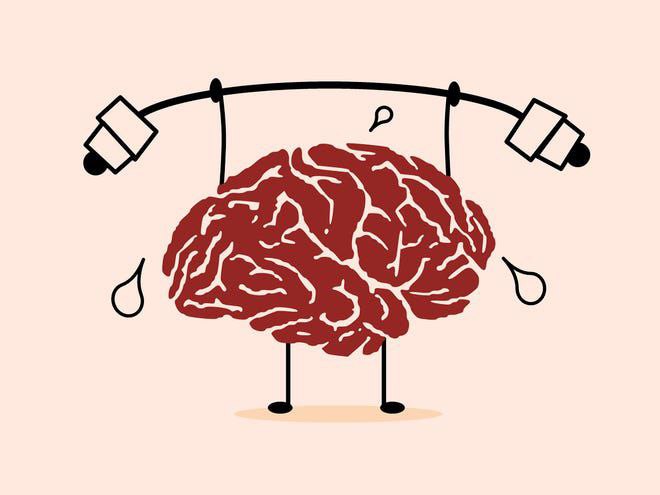
The Importance of Mental Health: Nurturing Your Emotional Well-being

As advocates of holistic well-being, our clinic recognises the crucial role of mental health in maintaining a balanced and fulfilling life. In this blog post, we will explore the significance of mental health and share practical tips for nurturing your emotional well-being.

Content:

1.Recognizing the Impact: Mental health influences our thoughts, emotions, and behaviors. It affects our ability to cope with stress, build and maintain relationships, and navigate life’s challenges. Prioritizing mental health is key to overall well-being.

2. Self-Care: Engage in self-care activities that promote mental well-being. This can include practicing mindfulness, engaging in hobbies, spending time in nature, getting adequate sleep, and maintaining a balanced lifestyle.

3. Seek Support: Reach out to trusted friends, family, or professional therapists when you need support. Sharing your feelings and concerns can alleviate the burden, provide perspective, and offer guidance during difficult times.

4. Manage Stress: Stress has a significant impact on mental health. Develop effective stress management strategies, such as exercise, relaxation techniques, time management, and setting realistic goals, to minimise its negative effects.

5. Cultivate Healthy Relationships: Nurturing positive relationships with loved ones, friends, and a supportive community fosters a sense of belonging and emotional well-being. Invest time and effort in building and maintaining meaningful connections.

6. Practice Mindfulness: Mindfulness involves being fully present in the moment, without judgment. It helps reduce anxiety, improves focus, and promotes a sense of calm and clarity. Incorporate mindfulness practices, such as meditation or deep breathing exercises, into your daily routine.

7. Break the Stigma: Mental health should be discussed openly to break the stigma surrounding it. By sharing our experiences, supporting others, and promoting mental health awareness, we create an environment of understanding and acceptance.

Conclusion:
Nurturing your mental health is an essential part of leading a fulfilling and balanced life. By prioritizing self-care, seeking support, managing stress, cultivating relationships, practicing mindfulness, and breaking the stigma, you can take proactive steps towards achieving optimal emotional well-being.

Call Now Button